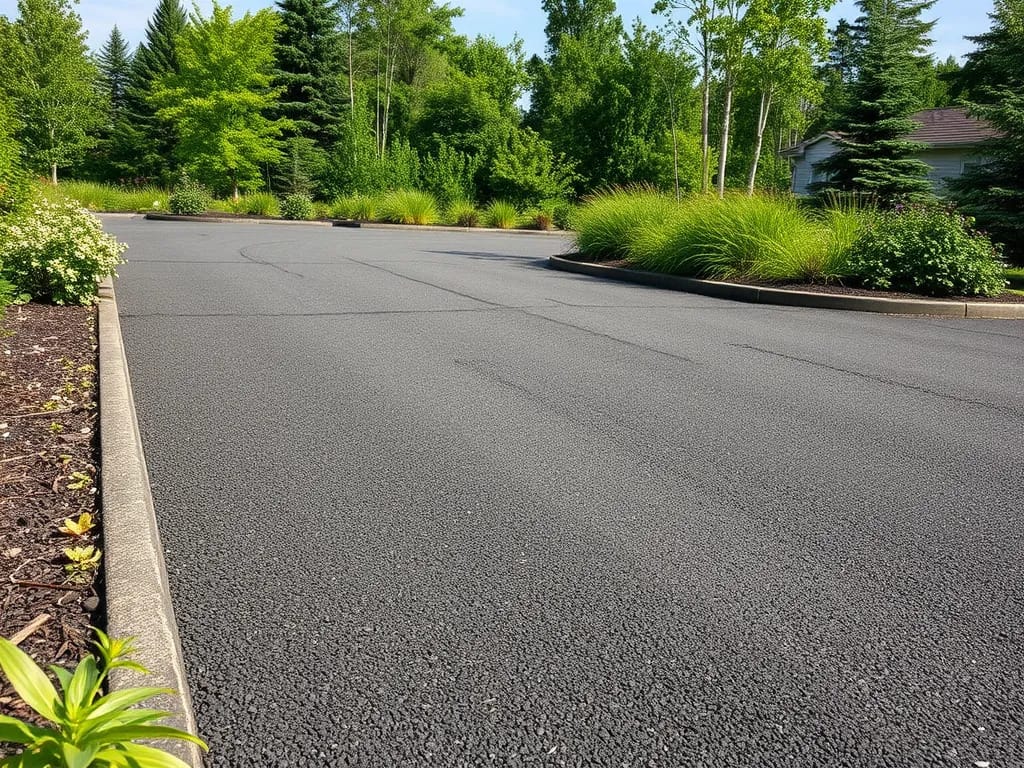
Home › Asphalt Pathways, Sidewalks, and Trails
Connect your property with smooth asphalt pathway paving in Waco, TX. We build sidewalks, bike paths, and multi use trails for parks, schools, and commercial campuses. Provide safe, accessible routes for pedestrians and cyclists with durable asphalt path construction.
Precision Asphalt Waco provides professional asphalt pathway paving throughout Waco, TX, Texas and the surrounding area. Our licensed, insured crew delivers safe, clean, on-time work with a free estimate before anything begins. Call (254) 870-7751 or request your free quote.
Asphalt Pathways, Sidewalks, and Trails in Waco
Asphalt pathways, sidewalks, and walking trails take a different approach than roads or parking lots. They have to feel comfortable underfoot, drain well, and handle bikes, wheelchairs, and strollers without constant cracking. At Precision Asphalt Waco, we focus these projects around how people actually use the space, not just how fast we can pave it.
In Waco, our hot summers and quick temperature swings in spring and fall are hard on concrete. That is one reason many parks, churches, schools, and neighborhoods choose asphalt for pathways. It has a little more flexibility, which helps it tolerate minor ground movement without popping and spalling like concrete sidewalks often do. It can also be installed in more curves and gentle slopes, which matters on greenbelts, river trails, and around ponds.
We regularly build asphalt paths in tight spaces, like along existing fences, near tree lines, around athletic fields, and along driveways. That means planning access for equipment, protecting lawns and irrigation, and laying out curves that drain instead of holding water. When we visit your property, we look at how people will walk or ride, where rain actually flows during a storm, and what the soil looks like in different sections rather than giving a one-size-fits-all design.
How We Build Durable Asphalt Pathways and Trails
Good pathway paving starts with layout and excavation. First, the Precision Asphalt Waco crew marks the path edges with paint and string lines, double-checking widths at all curves. Typical pedestrian-only paths in Waco are 4 to 6 feet wide, while shared-use trails or golf cart paths often run 8 to 10 feet. We then cut and remove any existing turf, gravel, or broken concrete, usually going 6 to 10 inches deep depending on the soil and expected traffic.
Base preparation is what keeps a path from settling or rutting. We haul in crushed limestone or recycled concrete base, usually in 2 to 3 lifts. Each lift is spread, watered if needed, and compacted with a vibratory roller or plate compactor to reach proper density. On clay-heavy areas, which are common around Waco, we often go slightly thicker on the base or use a geotextile fabric to separate the clay from the base stone. This helps prevent the base from pumping and softening after heavy rains.
Once the base is tight and graded to shed water, we place the asphalt. For most pedestrian pathways, we install 2 to 3 inches of hot mix asphalt after compaction. For heavier use, such as maintenance vehicles in parks or utility carts on school campuses, we may recommend 3 to 4 inches in one or two layers. The mix type is chosen for the specific use. A finer surface mix creates a smoother finish for walkers, runners, and wheelchairs, while slightly coarser mixes are sometimes used on trails that see only occasional vehicle traffic.
Edges are a common failure point on asphalt pathways, so we pay close attention there. Where there is no concrete curb, we create a compacted shoulder of base or soil and roll the asphalt edge to tie it in firmly. On paths expected to see mowing equipment or carts driving along the edge, we may recommend a ribbon of concrete or a thicker asphalt edge to prevent cracking and unraveling.
Design Choices, Surfacing Options, and Accessibility
Asphalt pathway paving is not just black strips on the ground. There are real design decisions that affect safety, comfort, and long-term cost. Precision Asphalt Waco walks you through slope, width, and alignment before we start. For walking trails, we try to keep the cross-slope (side-to-side slope) at about 1.5 to 2 percent so water runs off without feeling tilted. On hills, we talk about routing that avoids very steep climbs where possible, especially on public or school paths.
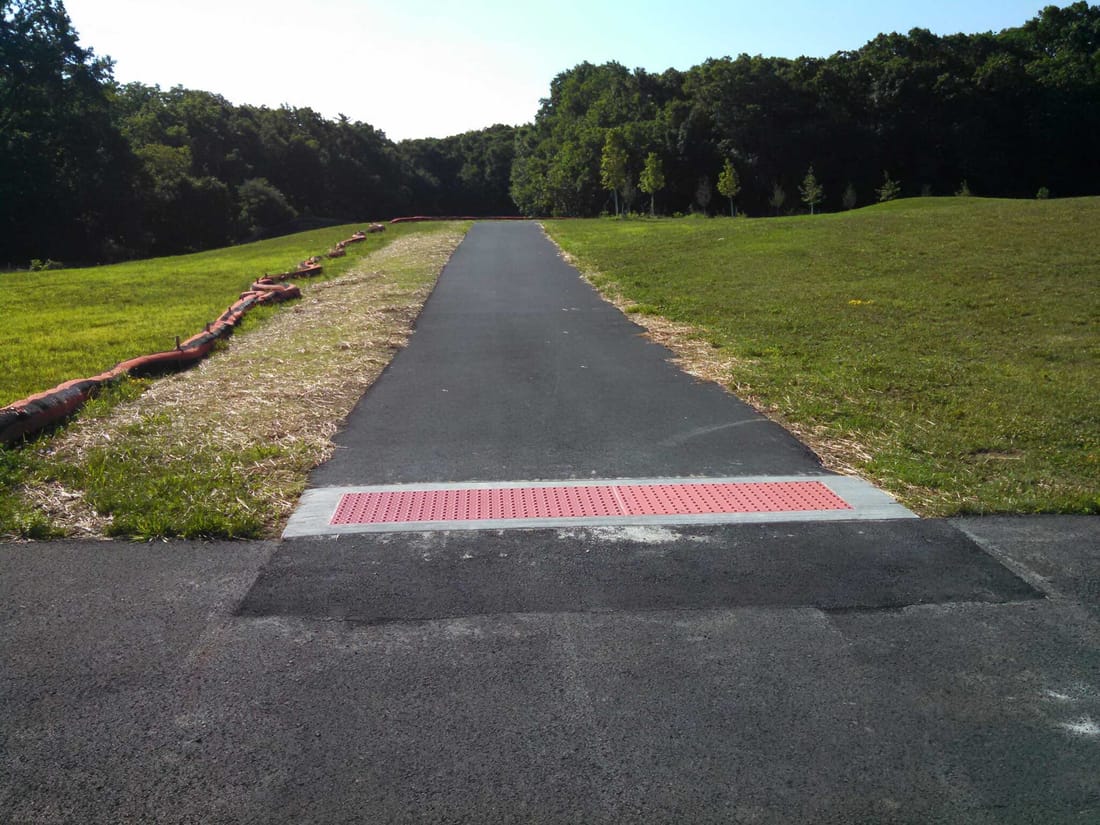
Surface texture matters more than many people expect. A newly laid asphalt path can be quite smooth. On high-traffic public sidewalks and ramps, we may add light brooming or use a finer mix so that shoes have good grip when surfaces are damp. For ADA accessibility, we look closely at transitions to existing sidewalks, curbs, and parking, keeping vertical changes under a half inch and smoothing joints so wheelchairs and walkers can roll without catching.
Color and appearance are simple but important considerations. Standard asphalt starts dark black and weathers to a charcoal gray over time. For trails that run near homes or businesses that worry about heat buildup, we may suggest a sealcoat at the right time, which can sometimes include lighter aggregates. In shaded areas under trees, smoother surfaces with good cross-slope help reduce algae buildup and slick spots, which are common along the Brazos and in low areas of Waco after wet spells.
We also plan details around utilities and landscaping. Where tree roots are expected to grow under the path, we may shift the alignment slightly or install a thicker base and root barrier along the edge. Around irrigation heads, we coordinate with your landscaper or maintenance team so the system is adjusted after paving instead of getting buried or broken.
Costs, Scheduling, and Local Considerations in Waco
Pathway, sidewalk, and trail pricing depends on more than just the length. When Precision Asphalt Waco prepares a quote, we factor in clearing, base thickness, asphalt thickness, access for equipment, and finish details. A straight path over firm, dry ground with easy truck access costs less per foot than a winding trail through trees or a narrow side yard where materials must be moved with smaller machines.
Soil conditions are a big driver of cost around Waco. Many properties sit on expansive clays that hold water and swell. In these cases we often recommend thicker base or soil stabilization. This adds cost up front but usually saves money by preventing dips and cracks that would otherwise show up within a couple of years. On sandy or well-drained soils, we can sometimes reduce base thickness and keep costs down without hurting performance.
Timing also matters. In Central Texas, asphalt work is most predictable from late March through early June and again from late September through early November. Summer paving is possible and we do it often, but we plan for early morning starts to avoid soft spots from extreme heat. Winter paving is more restricted. When overnight lows drop too far, asphalt cools too quickly and does not compact correctly. We schedule weather-sensitive work with some cushion so your path does not get rushed in poor conditions.
For homeowners associations, schools, and churches, we can phase work so that some sidewalks or access routes always remain open. On public or commercial projects in Waco, we coordinate with city requirements for traffic control, ADA access, and inspections where they apply. Knowing this ahead of time helps avoid mid-project delays and surprise costs.
Maintenance, Repairs, and What to Ask Before You Hire
A well-built asphalt pathway in Waco should give you many years of use with modest upkeep. The first step is letting it cure properly. We usually recommend keeping vehicles off a new path for at least 3 to 5 days and watching heavy lawn equipment for the first week, especially in hot weather. After that, normal foot and bicycle traffic is fine.
Routine maintenance is simple but important. Keeping edges trimmed so grass does not creep over the asphalt helps water drain properly and keeps the edges from breaking up. Blowing or sweeping leaves, acorns, and dirt off the surface reduces staining and slick spots. On busy or sun-exposed paths, a sealcoat every 3 to 5 years can refresh the surface and slow oxidation. In shaded areas, occasional cleaning to remove algae or moss is more useful than frequent sealcoating.
Crack and pothole repair on paths is most effective when handled early. Long, narrow cracks often show up first along edges or at tree root areas. Precision Asphalt Waco can clean and seal these with hot crack filler to keep water out of the base. Small localized failures can usually be cut out and patched without tearing out long sections. We will tell you honestly when a repair is enough and when underlying base problems make full replacement a better investment.
Before you hire anyone for asphalt pathway paving in Waco, ask specific questions. What base thickness are they proposing for your soil? How will they handle drainage where water currently stands after a rain? What mix type and thickness will be used, and will it support any planned maintenance vehicles or carts? Ask how access will be protected so ruts are not left in your yard or common areas. A contractor who gives the same answer for every property is not paying attention to the details that make pathways and trails last in our local conditions.